Unitree
Unitree humanoid and quadruped robots: compare published models, technical specifications and intended applications.
Unitree: how the product lines differ
Unitree develops both human-shaped robots and four-legged mobile platforms. Its portfolio extends from relatively compact educational machines to full-size humanoids and heavy industrial robots. The most useful comparison is therefore not simply the maximum speed, but the type of work, control system and environment each platform is designed to address.
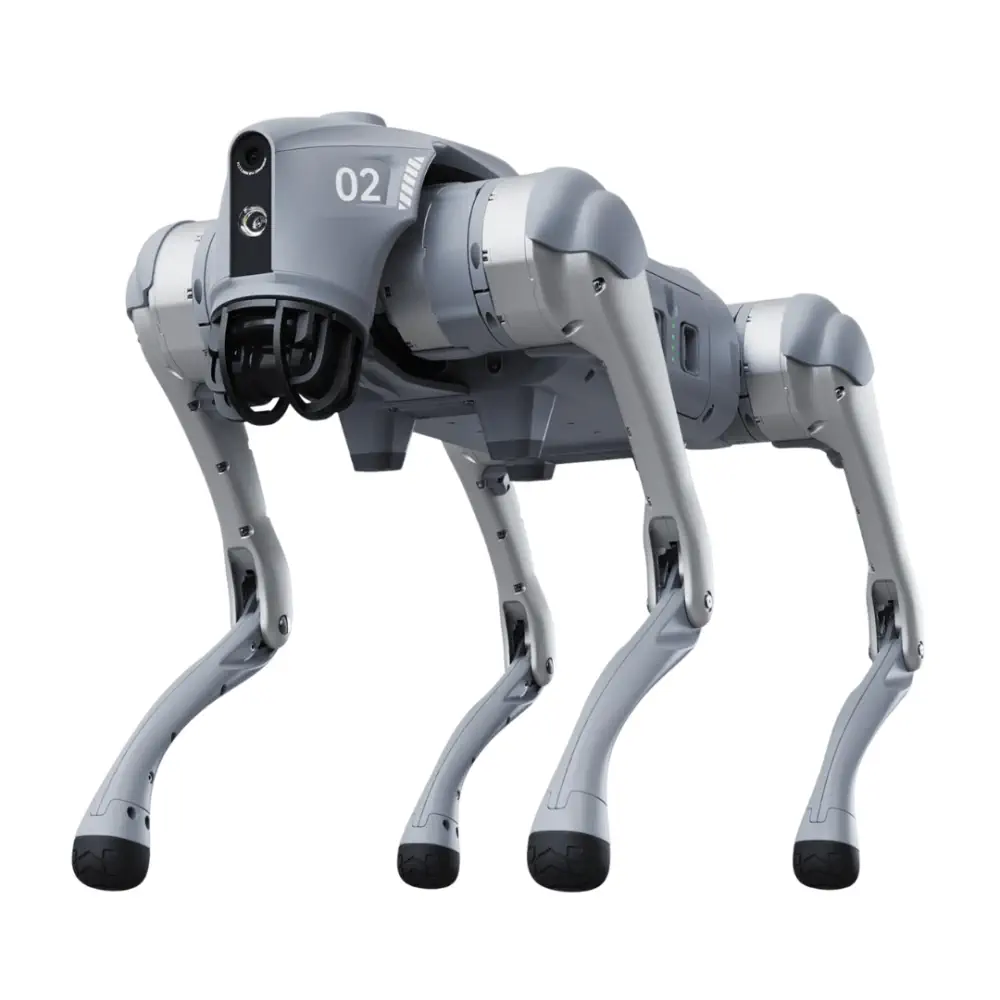
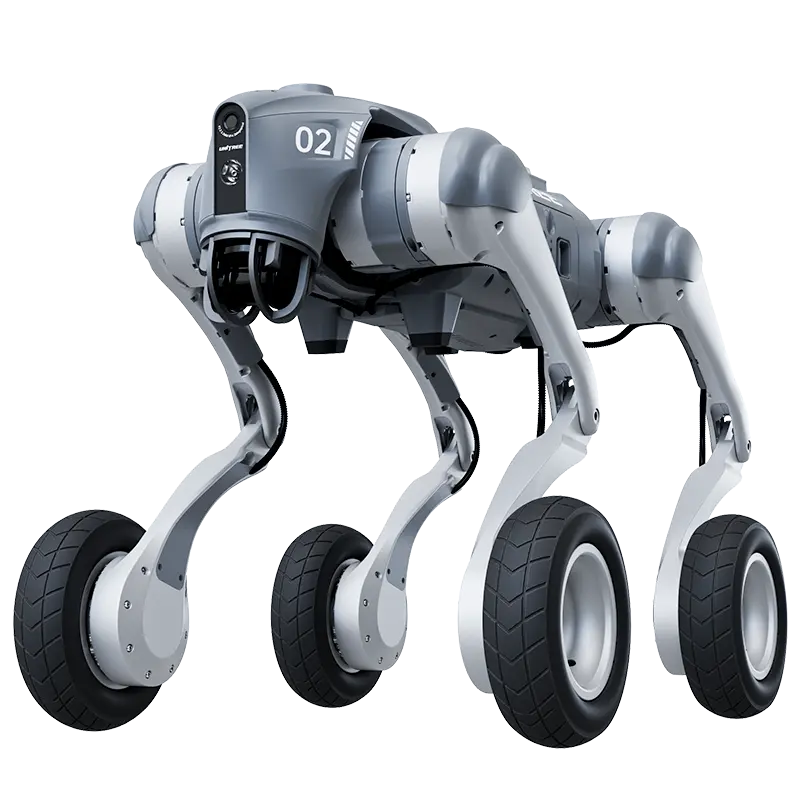
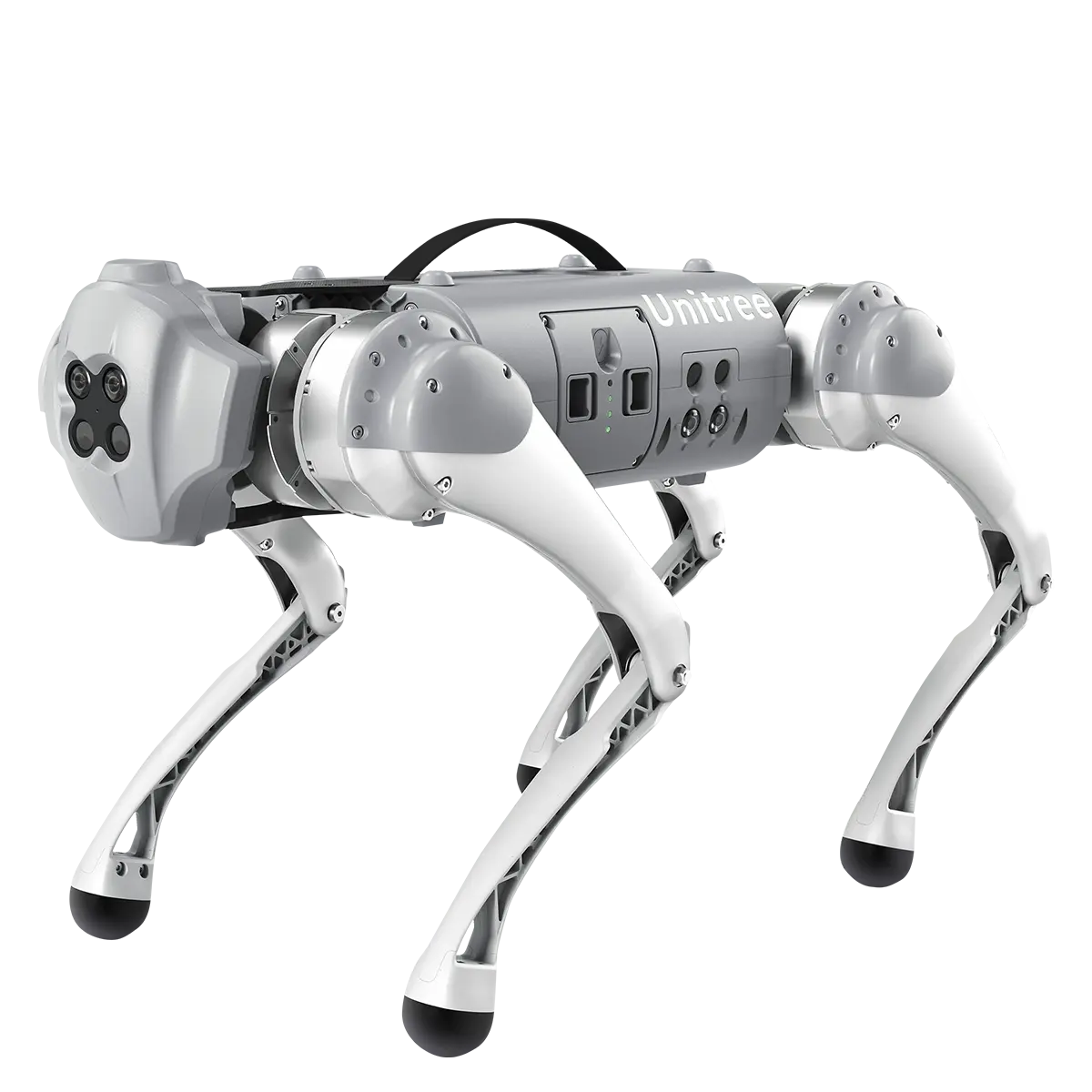
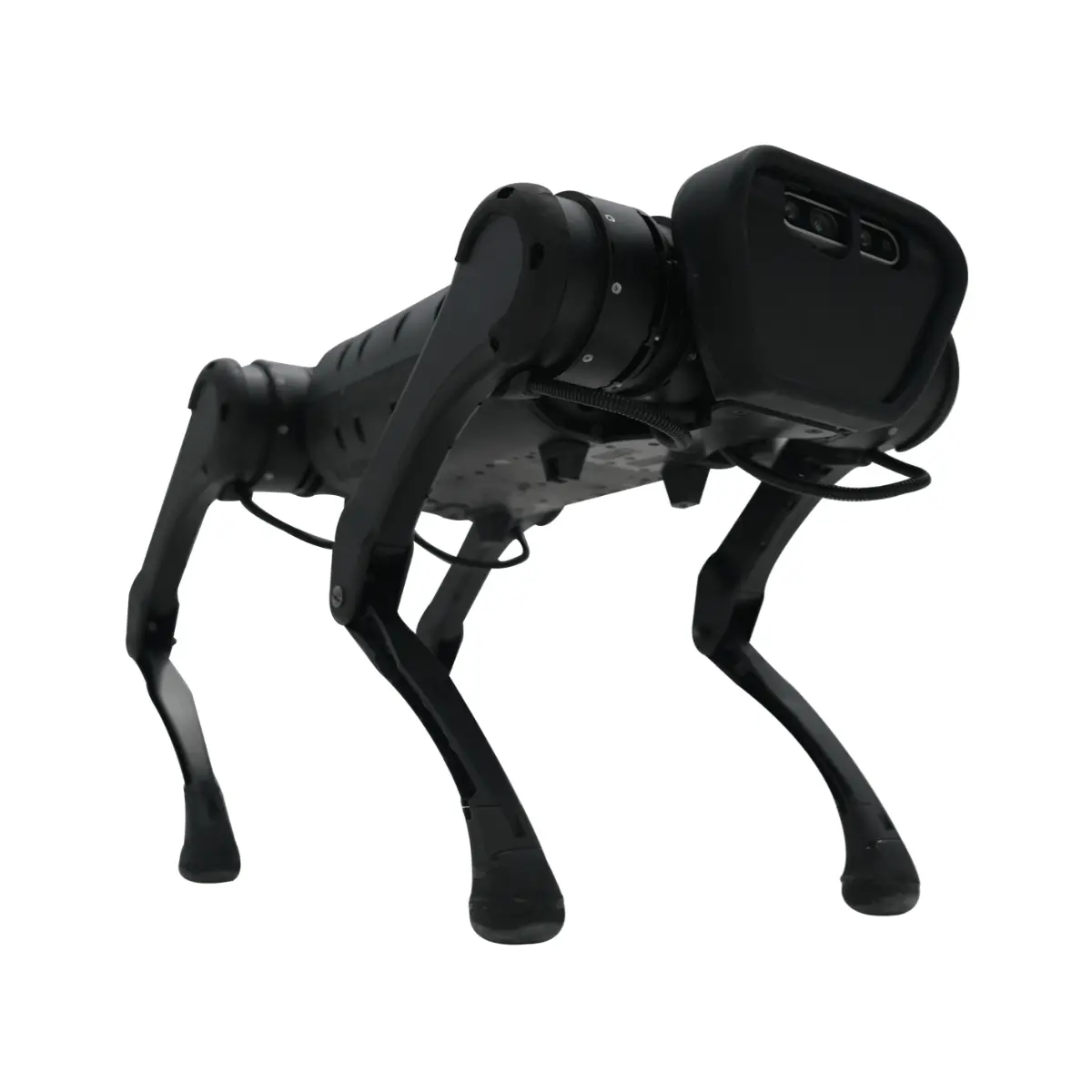
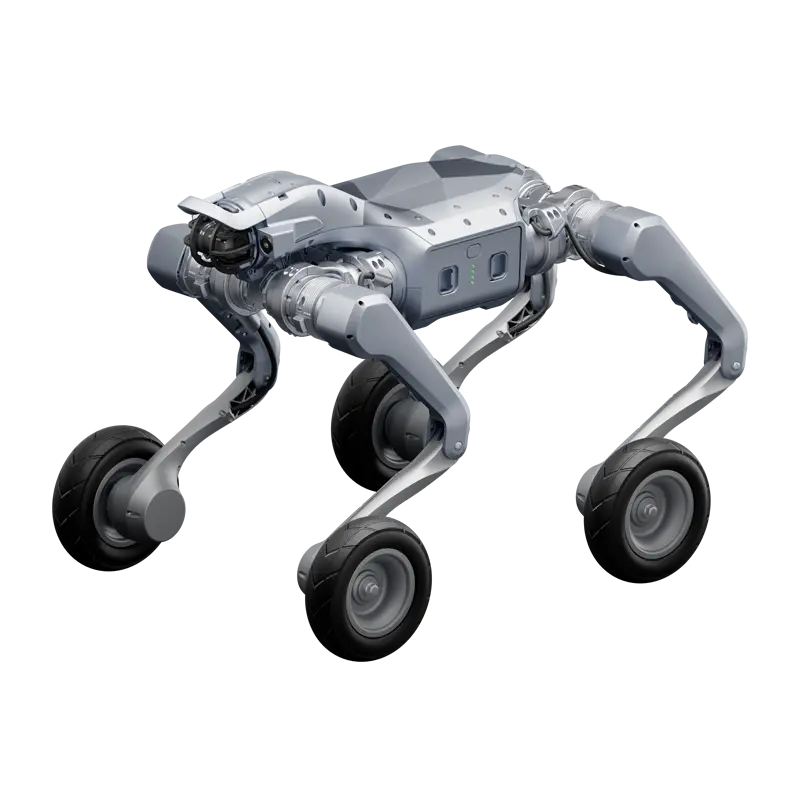
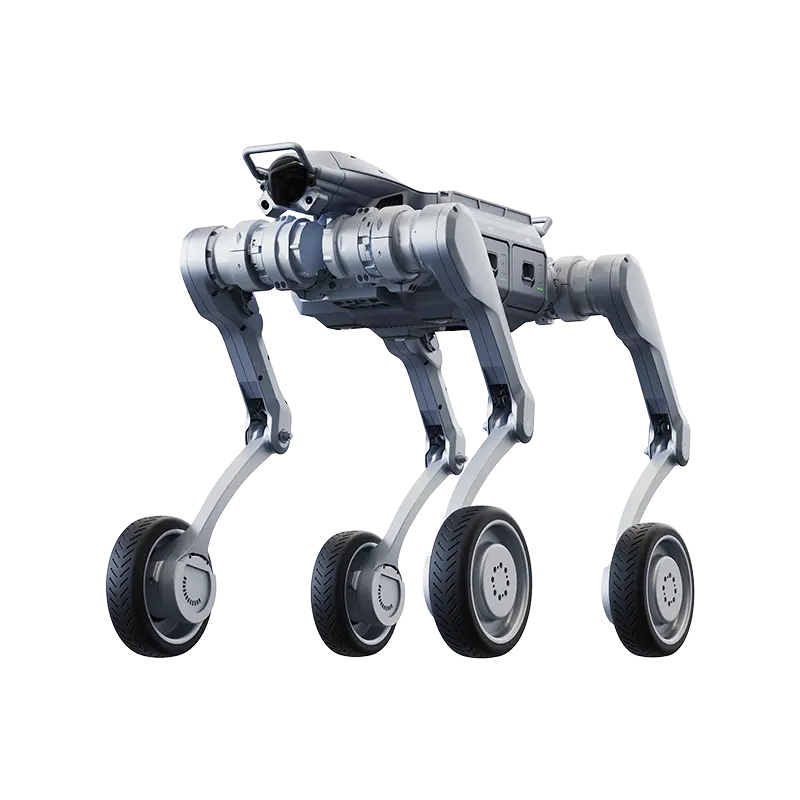
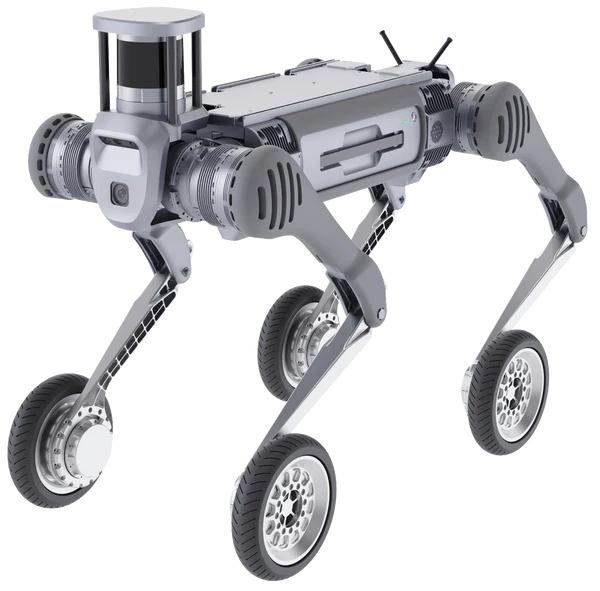
Humanoid platforms are mainly used to investigate balance, perception, manipulation and embodied intelligence. Quadrupeds are more relevant when the task involves moving sensors or equipment through varied terrain. Wheel-legged versions can improve efficiency on suitable surfaces while preserving some ability to negotiate obstacles.
Before comparing offers, identify the exact model and edition. Payload while moving differs from the standing-load figure; peak torque is not continuous torque; advertised endurance depends on batteries, terrain and payload. Developer access, safety controls, documentation, spare parts and local support are as important as headline specifications.
AI, offline functions and connectivity
The robot has onboard motion control and sensors; this alone does not prove that a generative AI model runs locally or works without internet.
Unitree documents offline voice commands on suitably equipped Go2 versions, but GPT dialogue is described via its app. Do not assume the same offline functions are present on every Unitree model.
Check the precise edition, available SDK, computing modules, app and internet requirements and any cloud or subscription terms. A demonstrated function may require additional software development.
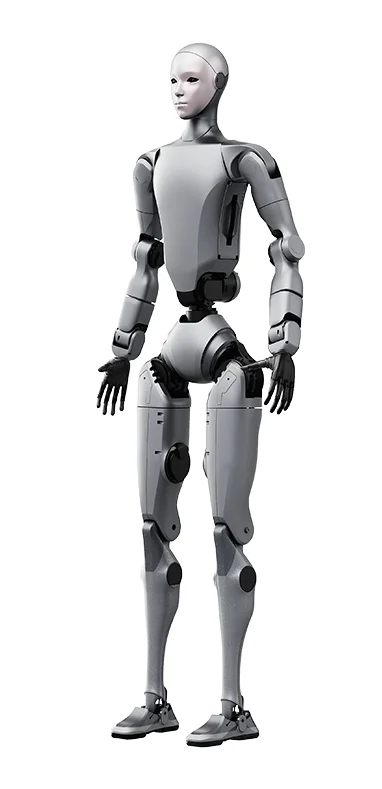
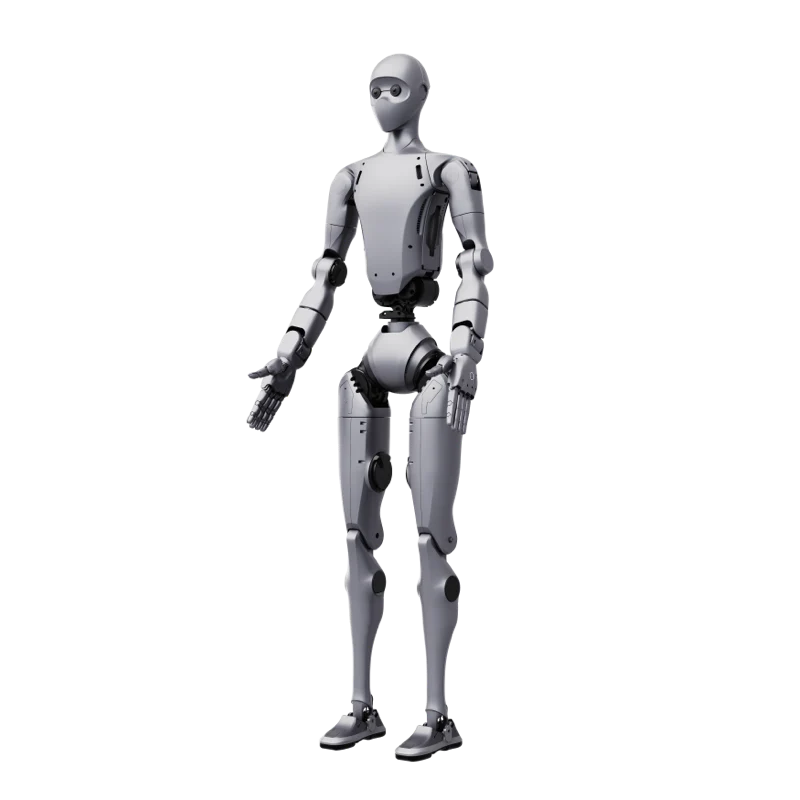
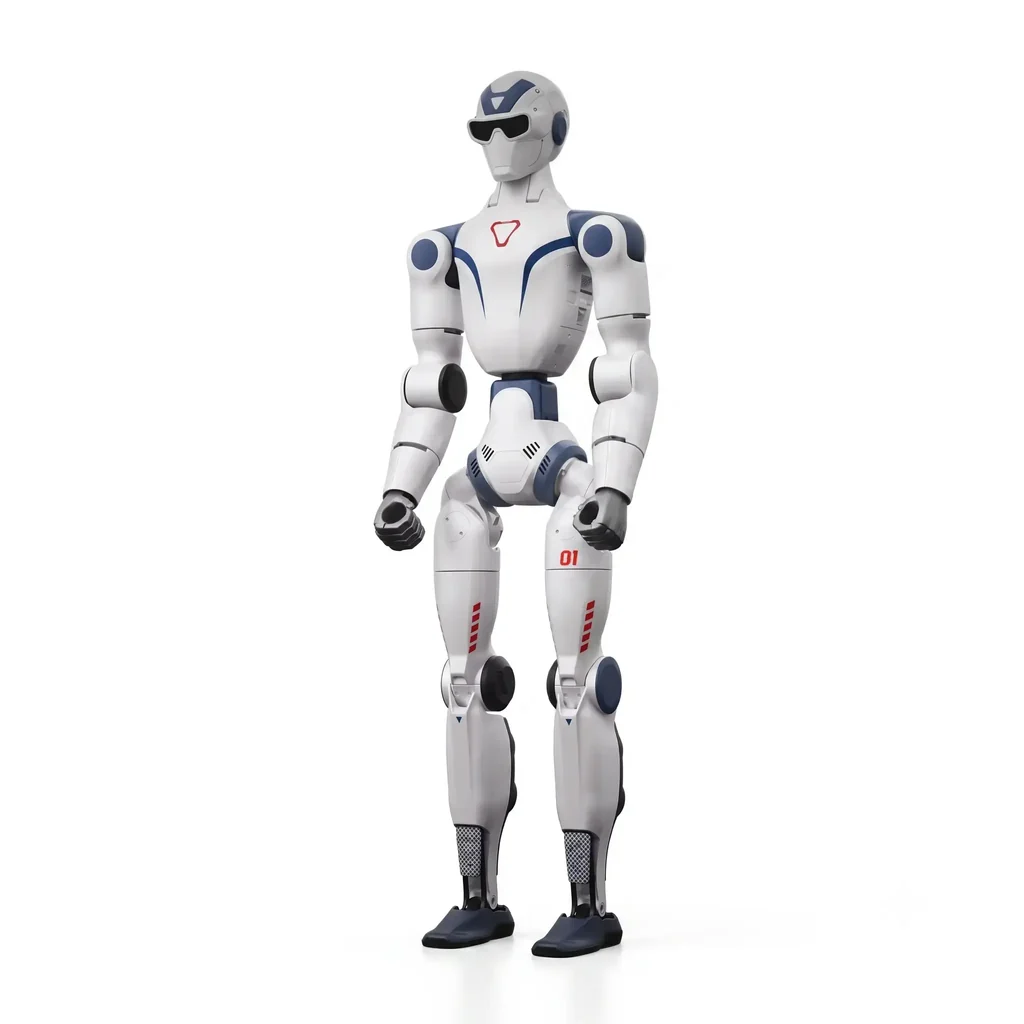
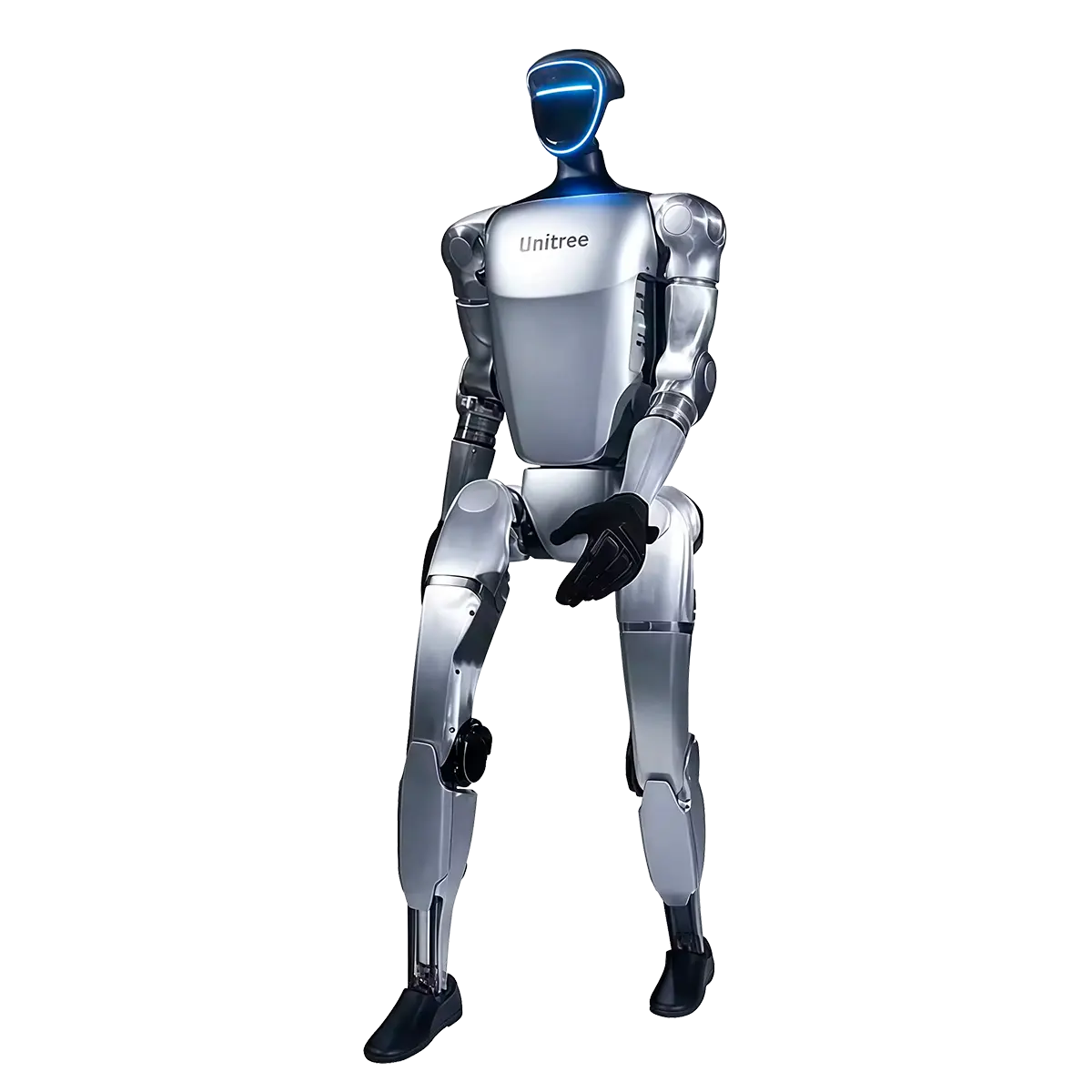
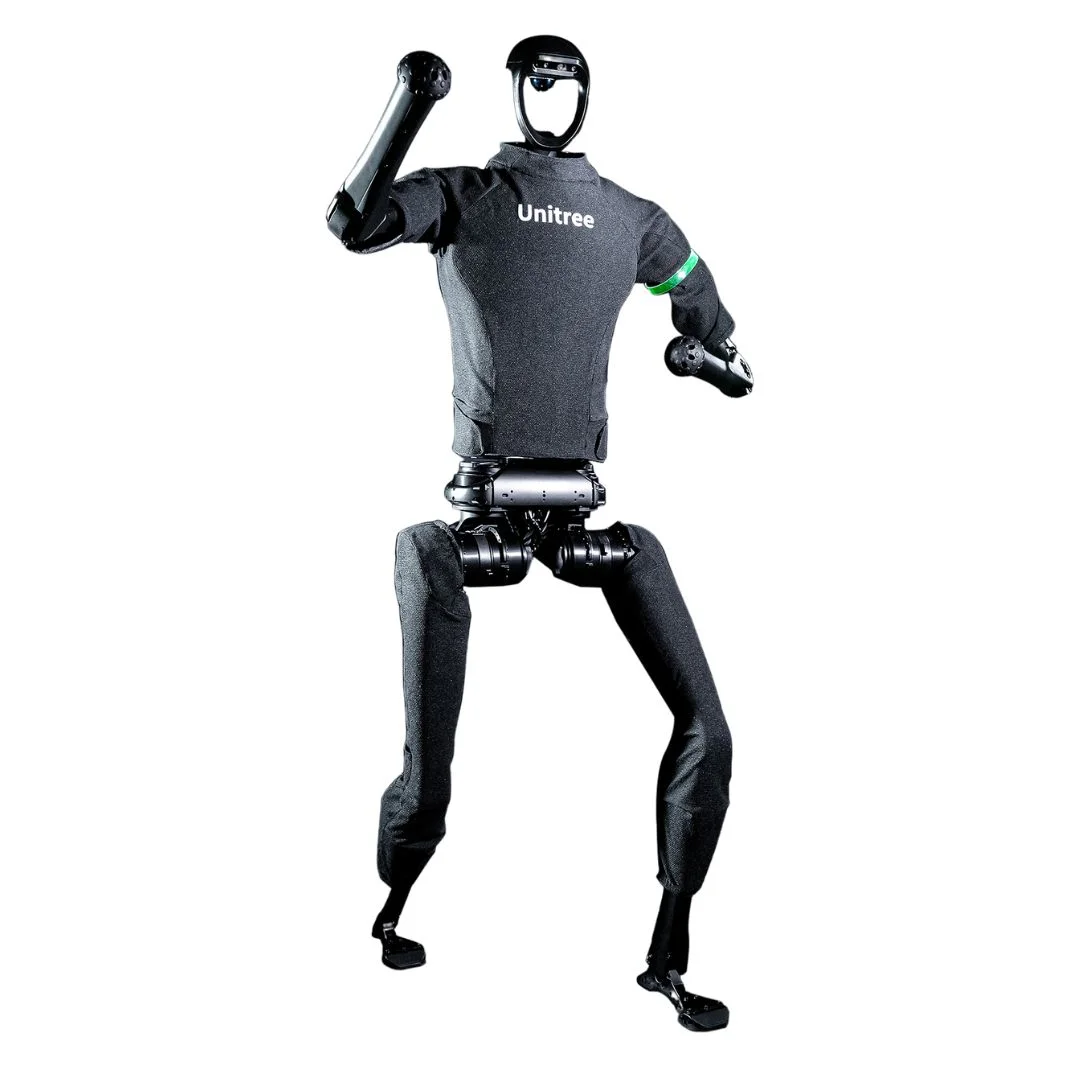
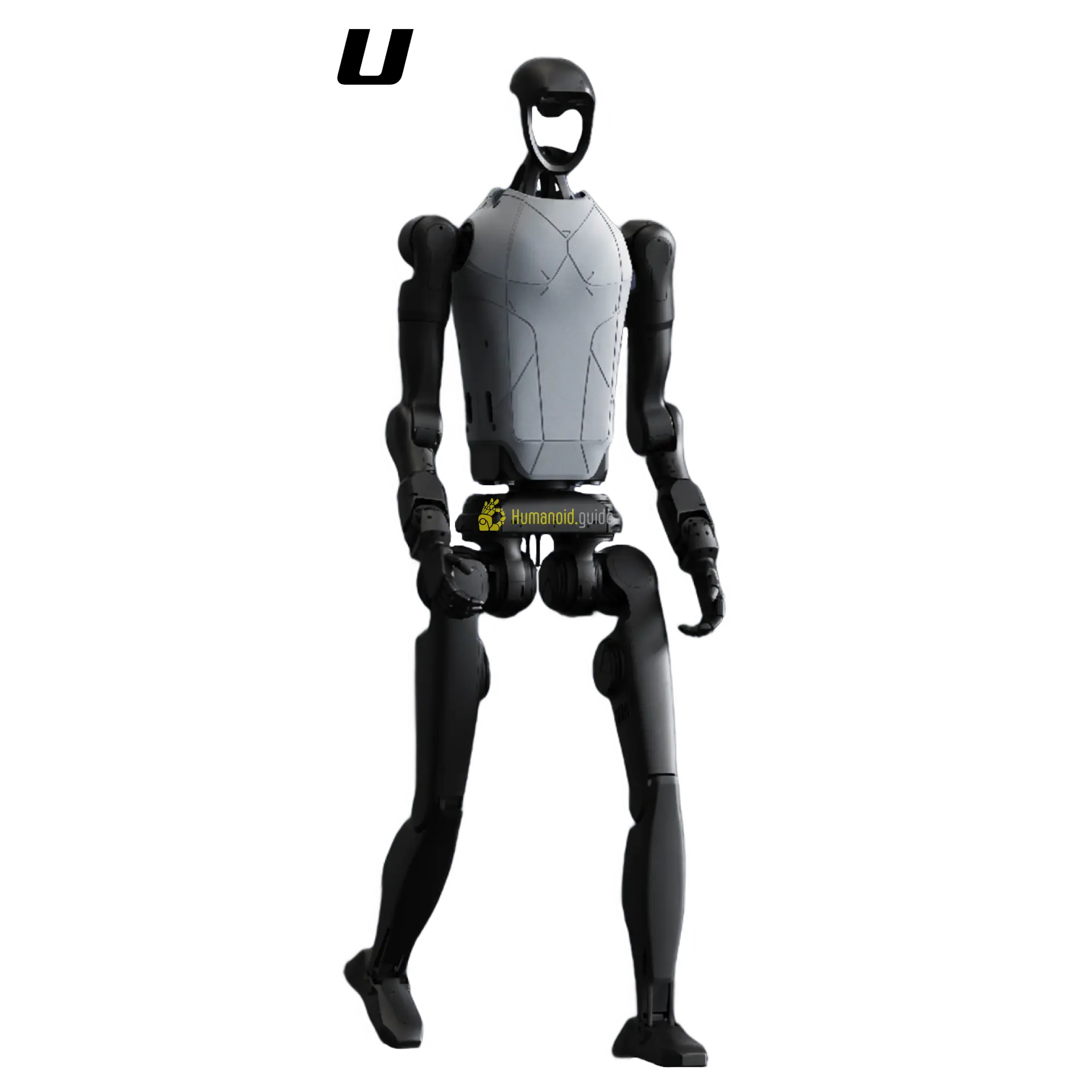
Humanoid robots (6)
Human-shaped platforms for embodied AI, robotics research and development.
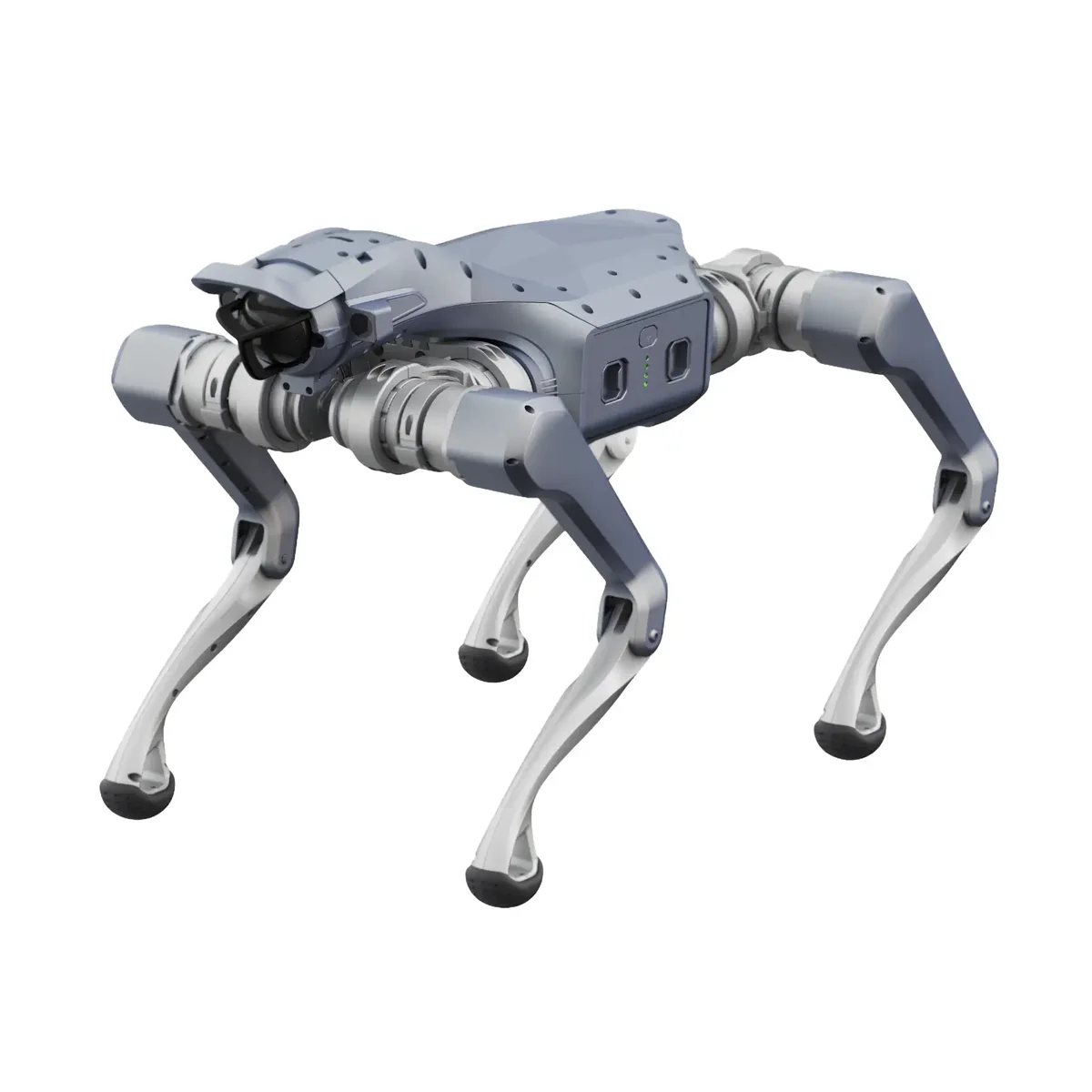
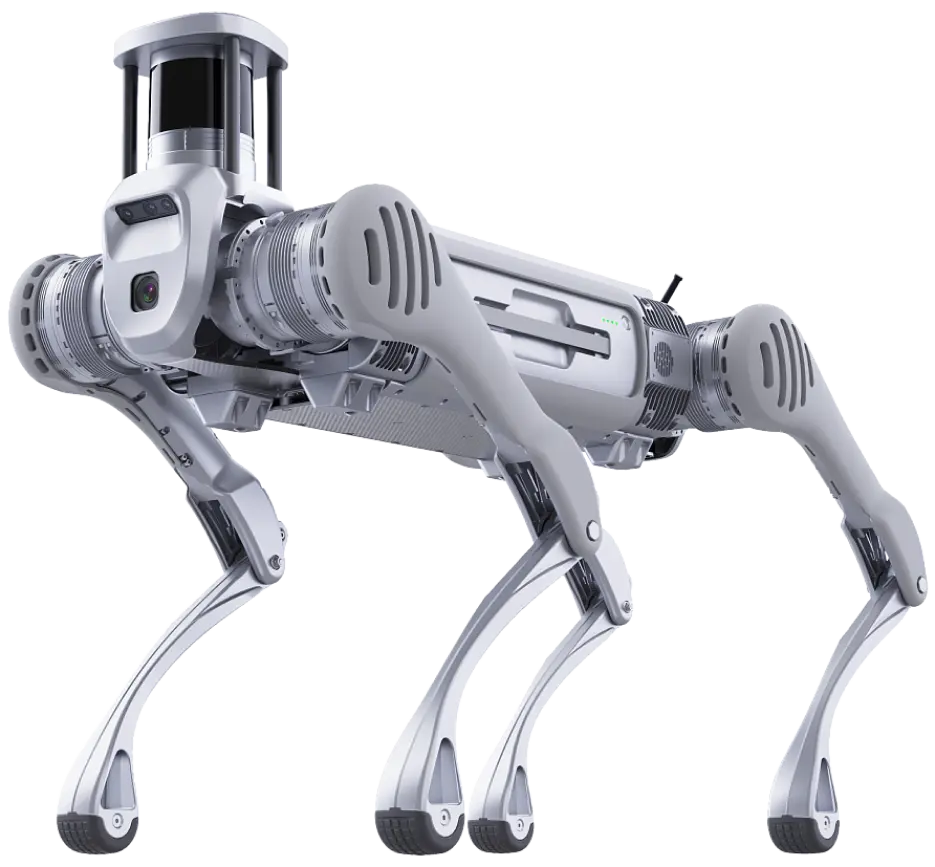
Quadruped and wheeled-leg robots (11)
Four-legged and wheeled-leg platforms for education, development, inspection and mobility.